Temperature discipline that protects germination
Seed is not dried like grain; the temperature threshold is viability's red line.
Feed or food grain can be dried fast at high temperature; seed cannot. Above a certain temperature the embryo is damaged irreversibly, and the damage is invisible from outside — the seed looks sound but never emerges in the field. That's why seed is dried with low air temperature and moisture is brought down in stages.
The moisture target is set by crop and storage plan. During drying, kernel temperature and outlet moisture are measured regularly and logged to the batch record.
Drying is the bottleneck at harvest: a batch arriving wet from the field heats up and loses viability while it waits. That's why season planning goes hand in hand with intake appointments.
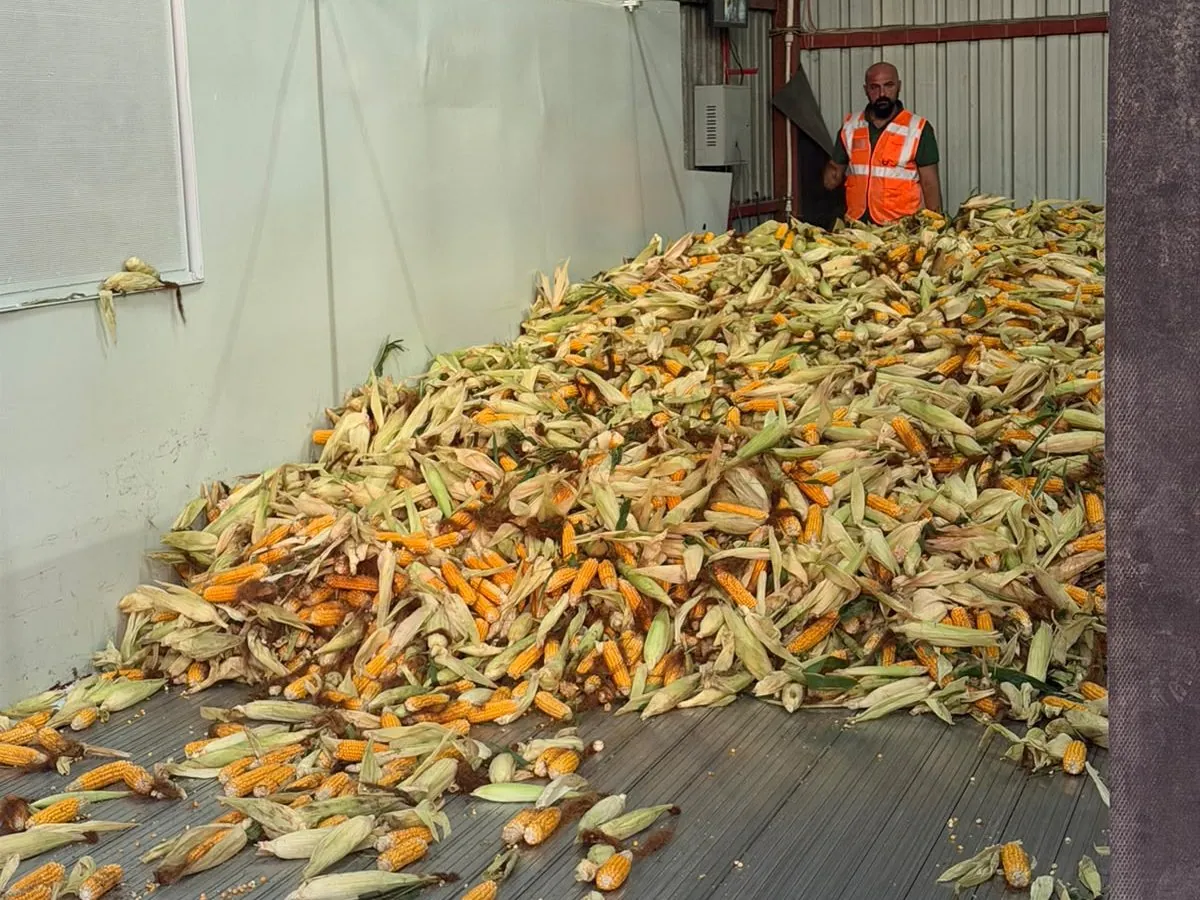
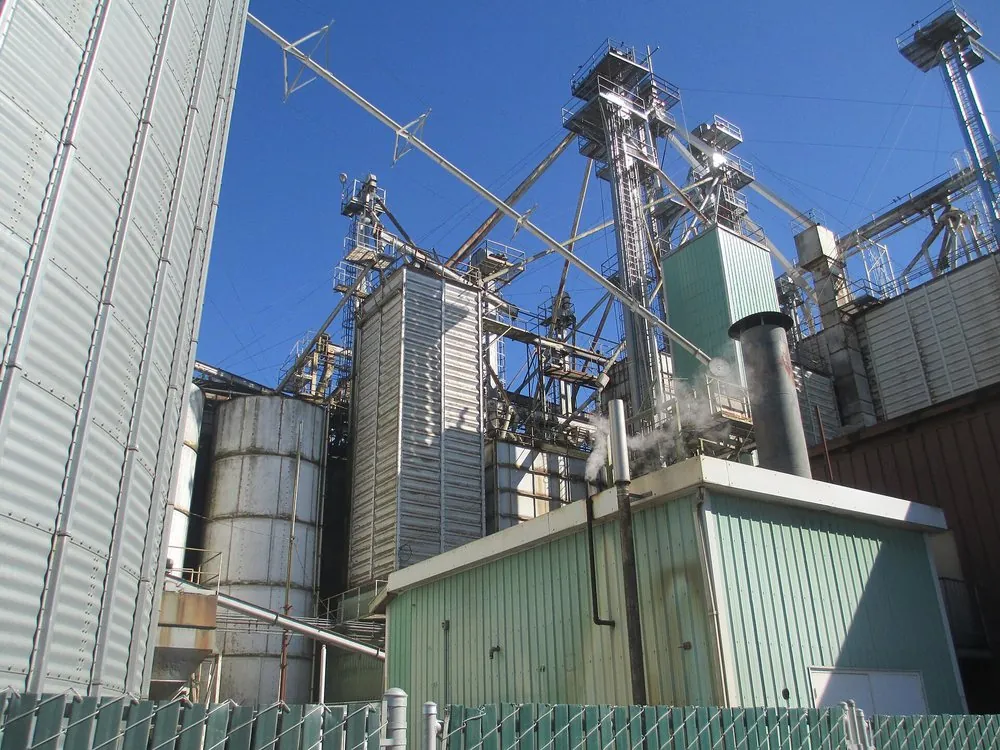
Alongside seed drying, the plant also runs a maize drying unit: maize arriving from the field at typically 20–35% moisture is brought down to a safe level (13–14%) so it can be stored and marketed safely. High-moisture maize quickly risks moulding, heating and toxin (aflatoxin) formation, which makes drying a critical link in the supply chain.
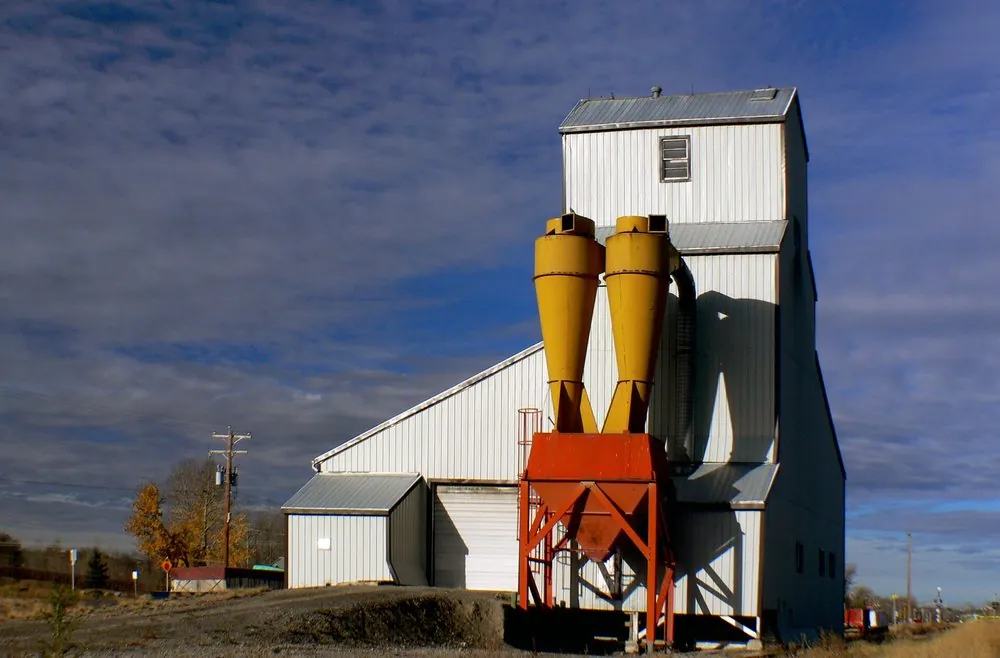
Drying columns are vertical structures in which maize meets hot air and its moisture is driven off in stages; they come in straight-flow, cross-flow and mixed-flow types. For seed lots the temperature threshold is always set by viability.
Measured at inlet
- Inlet moisture — sets the drying programme
- Crop and batch size — airflow and duration are set accordingly
Delivered at outlet
- Target moisture — by crop and storage plan; stated in the report
- Kernel temperature stayed below the limit — Germination vigour preserved
- Moisture uniformity — no wet pockets left in the batch